Search
.png "Reimer Seeds")
Non-GMO Participant Pledge
IT'S HERE - ROLLING BACK PRICES TO PRE-2020
ALL ITEMS ON SALE NOW - MAGA PRICING!
ALL ITEMS ON SALE NOW - MAGA PRICING!

CLICK HERE TO LEARN MORE
FAQ & Answers
We ship world wide
CONTACT US FOR MORE HELP
Very Tall Hot Pepper Plants - Greater Than 48" Tall
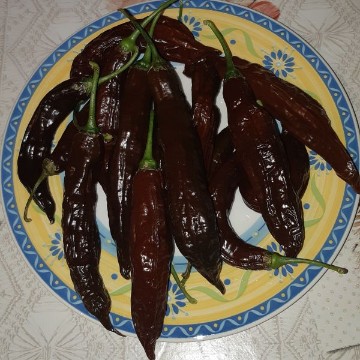
Aji Brown Pepper Seeds
HP4-10
90+ days. Capsicum chinense. Open Pollinated. Aji Brown Pepper. The plant produces good yields of 7" long by 1 ¼" wide dark-brown Aji peppers. It is the second most common pepper in Peru. A Peruvian chile pepper variety known for its mild heat and distinctive smoky, fruity flavor. Peppers are mildly hot and turn from green to dark chocolate brown when mature. The plant has green stems, green leaves, and white flowers. Excellent drying pepper for making seasoning powder. United States Department of Agriculture, PI 640901. A rare variety from Peru. Scoville Heat Units: 2,412.
$5.00
$4.50

Aji Yellow Pepper Seeds (Strain 2)
HP1850-10
90 days. Capsicum chinense. Open Pollinated. Aji Yellow Pepper Seeds. The plant produces high yields of 2" long by 1" wide elongated Habanero hot peppers. Peppers are hot, have medium thin flesh, and turn from light green, to yellow, to golden yellow when mature. The plant has green stems, green leaves, and white flowers. Excellent for pickling and hot sauce. A variety from Peru.
$5.00
$4.50

Ancho Gigantea Pepper Seeds
HP415-20
95 days. Capsicum annuum. Open Pollinated. Ancho Gigantea Pepper. The plant produces good yields of 3" long by 2 ¼" wide hot peppers. Peppers are mildly hot and turn from dark green to red when mature. The plant has green stems, green leaves, and white flowers. Excellent for stuffing. A variety from Mexico.
$3.00
$2.50

Bishop's Crown Pepper Seeds
HP31-10
90 days. Capsicum annuum. Open Pollinated. Bishop's Crown Pepper. The plant produces good yields of 1 ½" long by 3" wide three-sided hot peppers. Peppers are medium hot, have medium thick flesh, and turn from light green, to orange, to red when mature. The plant has green stems, green leaves, and white flowers. Excellent for pickling, and making salsa, hot sauce, and seasoning spice powder. Peppers looks like a Catholic Bishop’s Crown. A variety from Barbados. Scoville Heat Units: 15,000.
$4.00
$3.50

Blue Ghost Peach Pepper Seeds
HP2496-10
120+ days. Capsicum chinense. Open Pollinated. Blue Ghost Peach Peppers. The plant produces good yields of 4" long by 1" wide Habanero peppers. Peppers are very hot, have thin flesh, and turn from green to purple, to orange when mature. The plant has dark green leaves, dark purple stems, and white flowers. Excellent for pickling. and making salsa, hot sauce, and seasoning spice powder. It is still fairly unstable so it may grow different shapes pods and colors. A rare variety from India.
$6.00
$5.50

California Reaper Peach Pepper Seeds
HP2294-10
110+ days. Capsicum chinense. Open Pollinated. California Reaper Peach Pepper. The plant produces good yields of 3" long by 3" wide wrinkled Habanero peppers. Peppers are extremely hot and turn from light green to peach when mature. The plant has dark green leaves, green stems, and white flowers. It has a fruity and sweet flavor, but the intense heat level kicks in shortly after eating the pepper. Excellent for beef jerky, jerk sauces, pickling, and making salsa, hot sauce, and seasoning spice powder. Be very, very careful handling this pepper. This pepper was created by crossing a Carolina Reaper and Jay's Peach Ghost Scorpion. The California Reaper is similar to the Carolina Reaper in hotness. Try growing the Carolina Reaper, Bhut Jolokia, Naga Jolokia, Dorset Naga, Bih Jolokia, and the Naga Morich. A variety was developed by Dr. Steve Bender in California, USA. Scoville Heat Units: 1,569.300.
$5.00
$4.50

Cambuchi Pepper Seeds
HP893-10
80 days. Capsicum annuum. Open Pollinated. Cambuchi Pepper Seeds. The plant produces good yields of 1 ½" long by 3" wide three-sided hot peppers. Peppers are medium hot, have medium-thick flesh, and turn from light green to orange to red when mature. The plant has green stems, green leaves, and white flowers. Excellent for pickling, making salsa, hot sauce, and seasoning spice powder. Peppers look like flying saucers. It is often confused with the Bishop's Crown Pepper, but it is not as spicy and has a different, more fruity flavor. Great fresh use in salads, salsa, pickling, and dried for making chili powder. Excellent choice for home gardens. A variety from Brazil. Scoville Heat Units: 6,000.
$4.00
$3.50

Chilcostle Rojo Pepper Seeds
HP873-10
85 days. Capsicum annuum. Open Pollinated. Chilcostle Rojo Pepper. The plant produces good yields of 6" long by 1 ¼" wide hot peppers. Peppers are hot, have medium thin flesh, and turn from green, to brownish red, to red when mature. The plant has green stems with dark purple markings, green leaves, and white flowers. Excellent for making Mexican cuisine and moles. A variety from Oaxaca, Mexico. Scoville Heat Units: 30,000.
$4.00
$3.50

Chile Petine Pepper Seeds
HP50-20
90 days. Capsicum annuum. Open Pollinated. Chile Petine Pepper. The plant produces good yields of small hot peppers. Peppers are very hot, grow upright, and turn from green to red when mature. The plant has green stems, green leaves, and white flowers. Excellent for making hot sauce, stir-frying, and drying for making seasoning spice powder and pepper flakes. A variety from the USA.
$4.00
$3.50

Cobincho Pepper Seeds
HP872-20
120 days. Capsicum exile. Open Pollinated. Cobincho Pepper The plant produces good yields of 1 ¼" long by ½" wide hot peppers. Peppers are medium hot, grow upright, have thin flesh, and turn from green, to orange, to red when mature. The plant has green stems, green leaves, and white flowers. A very rare variety that grows in the wild in the USA. Scoville Heat Units: 15,000.
$4.00
$3.50

Dedo de Moca Pepper Seeds
HP906-10
90 days. Capsicum baccatum. Open Pollinated. Dedo de Moca Pepper. The plant produces high yields of 3" long by ½" wide hot peppers. Peppers are medium hot, have medium thick flesh, and turn from green, to orange, to right red when mature. The plant has green stems, green leaves, and white flowers with greenish-yellow markings. Excellent for Brazilian cuisine and making sauces. United States Department of Agriculture, PI 497972. A variety from Brazil. Scoville Heat Units: 15,000.
$4.00
$3.50

Golden Greek Pepperoncini Pepper Seeds
HP463-20
62 days. Capsicum annuum. Open Pollinated. Golden Greek Pepperoncini Pepper. This early-maturing plant produces high yields of 4" long by 1 ½" wide hot peppers. It is a popular hot pepper pickling variety prized for its productivity and reliability. Peppers are mildly hot and turn from light yellow-green to yellow to red when mature. The plant has green stems, green leaves, and white flowers. Harvest when yellow-green and pickle. Peppers are similar to those found at many salad bars, pizza parlors, and sub sandwich restaurants. These peppers are like the commercial type you see in supermarkets. Excellent for fresh eating, Greek salads, sandwiches, antipasto, and cooking. Excellent choice for home gardens. A variety from Greece. Scoville Heat Units: 1,000.
$4.00
$3.50

Guam Boonies Pepper Seeds
HP93-10
110+ days. Capsicum frutescens. Open Pollinating. Guam Boonies Pepper. The plant produces good yields of ¾" long by ¼" wide hot peppers. Peppers are very hot, have thin flesh, grow upright, and turn from light green, to orange, to red when mature. The plant has green stems, green leaves, and white flowers with a tint of green. Excellent drying pepper and for making hot sauce. Similar to the Tabasco variety. A rare variety from the island of Guam. Scoville Heat Units: 160,000.
$4.00
$3.50

Guampinho de Veado Pepper Seeds
HP2445-20
85 days. Capsicum baccatum. Open Pollinated. Guampinho de Veado Pepper. This tall plant produces heavy yields of 1 ½" long by ¼" wide hot peppers. Peppers are medium hot, grow upright, and turn from green to red when they mature. The plant has green stems, green leaves, and creamy yellow flowers. The peppers have a nice fruity flavor with medium heat. Excellent drying pepper for making spice powder. Also known as Deer's Horn. An excellent choice for home gardens. A very rare variety from Piratini, Rio Grande do Sul, Brazil.
$4.00
$3.50

Lisa Piquin Pepper Seeds
HP145-10
90 days. Capsicum annuum. Open Pollinated. Lisa Piquin Pepper. The plant produces heavy yields of 1" long by ½" wide hot peppers. Peppers are very hot, grow upright, and turn from green to red when mature. The plant has green stems, green leaves, and white flowers. A Tabasco type pepper. A rare variety from the USA.
$4.00
$3.50

Merah Pepper Seeds
HP151-20
90 days. Capsicum annuum. Open Pollinated. Merah Pepper. The plant produces good yields of 5" long by 1" wide hot peppers. Peppers are hot turn from green to red when mature. The plant has green stems, green leaves, and white flowers. Great cooking pepper. A variety from Malaysia.
$4.00
$3.50

Orange Pepperoncini Pepper Seeds
HP2552-10
77 days. Capsicum annuum. Open Pollinated. Orange Pepperoncini Pepper. This small bush plant produces high yields of 3 ½" long by 1 ½" wide hot peppers. Peppers are mildly hot and turn from green to orange when mature. The plant has green stems, green leaves, and white flowers. Excellent for making pickles, sliced on pizza, or fresh in salads or sandwiches. Excellent choice for home gardens. A variety from the USA.
$4.00
$3.50

Pasilla Bajio Pepper Seeds
HP182-20
85 days. Capsicum annuum. Open Pollinated. Pasilla Bajio Pepper. The plant produces good yields of 7" long by 1" wide hot peppers. It is a popular chili pepper variety from Mexico, and when dried, it wrinkles and resembles a large raisin, hence the name "Pasilla" (little raisin). Peppers are mildly hot, have medium-thin flesh, and turn from dark green to dark brown when mature. The plant has green stems, dark green leaves, and white flowers. Mainly dried and used to make smoky-flavored sauces. Excellent for Mexican cuisine, making mole sauces, and seasoning spice powder. United States Department of Agriculture, NA 82531. A variety from Mexico. Disease Resistant: TMV.
$4.00
$3.50

Pequin Pepper Seeds
HP383-20
105 days. Capsicum annuum. Open Pollinated. Pequin Pepper. The plant produces good yields of ½" long by ¼" wide hot Bird peppers. These tiny, fiery-hot peppers turn from green to orange-red to red as they mature. The plant has green stems, green leaves, and white flowers. A rare variety from Mexico and the Southwestern USA.
$4.00
$3.50

Pumpkin Pepper Seeds
HP1824-10
110 days. Capsicum annuum. Open Pollinated. Pumpkin Pepper. The plant produces good yields of 1½" by 2½" pumpkin shaped peppers. Peppers are mildly hot and turn from green to red when mature. If left in the field, they will bleach to burnt orange. The plant has green stems, large green pumpkin shaped leaves, and white flowers. These small peppers look so much like real miniature pumpkins that you’ll be fooled. They will get hard, hold their shape, and not mold when they are dried. A very unique ornamental hot pepper. A variety from the USA.
$4.00
$3.50

Purple UFO Pepper Seeds
HP2525-10
100+ days. Capsicum annuum. Open Pollinated. Purple UFO Pepper Seeds. The plant produces high yields of 2 ½” long by 1 ½ wide hot peppers. It looks like a flying saucer or UFO. Peppers are hot, have medium thick flesh, and turn from green to purple, to orange, to red when mature. The plant has green stems, green leaves, and purple flowers. Excellent for sauces, salads, pickling, and salsa. A great ornamental plant. A variety from the USA.
$5.00
$4.50

Saco de Velho Pepper Seeds
HP2443-10
90+ days. Capsicum chinense. Open Pollinated. Saco de Velho Pepper. This tall plant produces high yields of large 3" long x 3" wide wrinkled Habanero peppers. Peppers are very hot, have medium thick flesh, and turn from green to bright yellow when mature. The plant has green stems, green leaves, and white flowers. Excellent fresh use, for pickling, making salsa, hot sauce, and seasoning spice powder. The Portuguese name translates to Bag Old. A rare variety from Goias, Brazil.
$5.00
$4.50

Siling Labuyo Pepper Seeds
HP1161-10
90+ days. Capsicum frutescens. Open Pollinated. Siling Labuyo Pepper. The plant produces high yields of 1 ½" long by ¾” wide Tabasco-type bright red peppers. It is a popular hot pepper variety in the Philippines, prized for its sharp, pungent heat with a peppery character. Peppers are very hot, have thin flesh, grow upright, and turn from green to bright red when mature. The plant has fuzzy green stems, fuzzy green leaves, and white flowers. Common in Filipino cooking for sawsawan (dipping sauces), chili vinegars, bagoong, and other dishes. Excellent for Oriental cuisine and for making hot sauce, hot pepper flakes, and seasoning spice powder. Siling Labuyo translates to wild chili in Tagalog. Also known as Philippine Filipino Bird's Eye Chili. United States Department of Agriculture, PI 593614. A variety from the Philippines.
$4.00
$3.50

Zimbabwe Bird Pepper Seeds
HP470-10
100+ days. Capsicum frutescens. Open Pollinated. Zimbabwe Bird Pepper. The plant produces good yields of 1" long by ½" wide Tabasco hot peppers. Peppers are very hot, have thin flesh, and turn from light green, to orange, to red when mature. The plant has
$5.00
$4.50
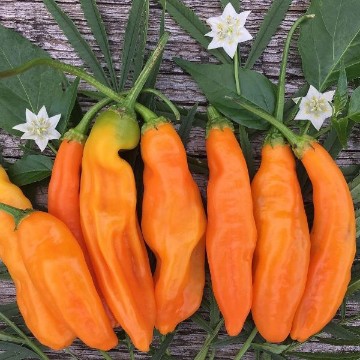
Aji Amarillo Yellow Pepper Seeds
HP2-10
90 days. Capsicum baccatum. Open Pollinated. Aji Amarillo Yellow Pepper. The plant produces good yields of 4 ¼" long by ¾" wide hot peppers. Peppers are hot, sweet, and fruity, turning from green to yellow, then to orange when mature. The plant has green stems, green leaves, and white flowers with greenish-yellow markings. It is one of the most important ingredients in Peruvian cuisine, used in sauces, soups, pastes, rubs, and ceviche. When cooked, the fruit turns yellow, hence the name. Excellent for making hot sauce when combined with lemon juice. A rare variety from Peru. Scoville Heat Units: 27,267.
$6.00
$5.50
Reimer seeds is the one source vendor for all of your gardening needs!
Payment options


