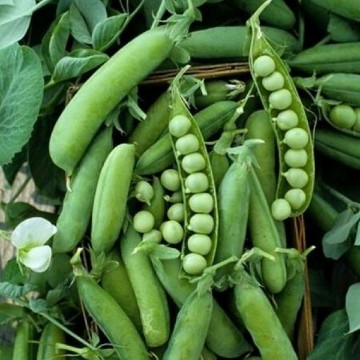
FW – Fusarium Wilt Resistant Peas. Scientific Name: Fusarium oxysporum. Type: Fungus. Fusarium Wilt is a fungal disease that affects the growth of cantaloupes & melons, cauliflower, eggplants, peas, peppers, squash, tomatoes, and watermelons. It is one of the most devastating of all soil-borne diseases. It attacks the roots of the plants and moves up the stems. Symptoms include stunting and wilting. Plants don’t always die, but it slows growth and reduces yields. Infected seedlings will damping off, wilt, and die. If you stick with Fusarium Wilt Resistant Tomato varieties you don’t have to worry. Many of the older heirlooms don’t have any resistance to the disease, so if you grow these then you should keep an eye out for it. The infected plants should be removed to avoid further infestation. Plan on using a 3 year crop rotation and avoid planting in the same location, year after year, as the disease can survive in the soil for 7 years. The best option is to use disease resistant varieties.
65 days. Pisum sativum. Open Pollinated. Cascadia Snap Peas. The plant produces heavy yields of 3 to 4" long snap peas. They are crisp, sweet, sugary, and very flavorful. These Snap Peas are a cross between English Peas and Snow Peas. They are used in the same way as snow peas. Pick the peas before the seeds start to develop inside. Perfect for stir fry. Used fresh for canning or freezing. The plants require no staking since they reach only about 30" in height. Suitable for hydroponic gardening. It's a great choice for home gardeners, especially in cooler climates or for extended seasons. A variety developed in 1992 by Dr. Jim Baggett at Oregon State University for the Northwest region. A variety from the USA. Disease Resistant: FW, PEMV, PM.
68 days. Pisum sativum. Open Pollinated. Green Arrow Sweet Pea. The plant produces heavy yields of 4 to 5" long sweet peas. The pods contain 9 to 11 tender, flavorful peas. Perfect fresh in salads and soups, and for cooking. Suitable for canning and freezing. Also known as Green Shaft Pea. It is resistant to most diseases that commonly affect pea crops. An excellent choice for home gardens, Farmer’s Markets, market growers, open production, and commercial production. United States Department of Agriculture, PI 614141. An heirloom variety from England. Disease Resistant: DM, FW, PLRV.
58 days. Pisum sativum. Open Pollinated. Little Marvel Sweet Pea. This early maturing com[act plant produces heavy yields of 3" long dark green sweet peas. The pods have 6 to 8 tender, sweet, and flavorful peas. Little Marvel is a popular heirloom shelling pea. Perfect fresh in salads and soups, and for cooking. It was introduced around 1900 to 1908 by Sutton & Sons of England. Winner of the RHS Award of Garden Merit. Easy to shell by hand. Suitable for canning and freezing. The plant doesn't require staking. An excellent choice for home gardens. United States Department of Agriculture, NSL 28112. A 1900s heirloom from England. Disease Resistant: FW, PM.
58 days. Pisum sativum. Open Pollinated. Mr Big Sweet Peas. The plant produces high yields of 4 ½" long sweet peas. The pods have 8 to 10 tender and flavorful peas. Perfect fresh in salads, in soups, and in cooking. An excellent choice for home gardens. United States Department of Agriculture, PI 608596. A variety from the USA. Disease Resistant: FW (Race 1), PM.
62 days. Pisum sativum. Open Pollinated. The plant produces heavy yields of 4 to 5" long snow peas. Perfect for stir fry and salads, and Oriental dishes. Freezer well. Easy to grow without trellising. One of the most disease resistant varieties. An excellent choice for home gardens, Farmer’s Markets, market growers, open production, and commercial production. Developed by Dr. James Baggett at Oregon State University in 1985. United States Department of Agriculture, W6 17505. A variety from the USA. Disease Resistant: FW, PEMV, PM, PSV, RCVMV.
70 days. Pisum sativum. Open Pollinated. Mammoth Melting Sugar Snow Peas Seeds. The plant produces heavy yields of 4 to 5" long snow peas. It is a popular heirloom snow pea variety first introduced around 1896. It is prized for its heavy yields of large, sweet, tender, sugary, stringless edible pods. The finest of the sugar peas available. Perfect for stir fry, salads, and Oriental dishes. Best when harvested before seeds begin to develop. High in Vitamins A, B, and C. Freezes well. Excellent choice for home gardens, Farmer’s Markets, market growers, open production, and commercial production. United States Department of Agriculture, PI 664469. An heirloom variety from the USA.
57 days. Pisum sativum. Open Pollinated. Dwarf Grey Sugar Snow Peas. The plant produces high yields of 2 to 3" long snow peas. Pods are sweet, crisp, and very flavorful. Perfect for salads, stir-fries, and Oriental dishes. Suitable for both Northern and Southern regions, as it is tolerant of both heat and cold. The plant doesn't require staking. Cold Tolerant. Heat Tolerant. Excellent choice for home gardens. An heirloom variety dating back to 1773. United States Department of Agriculture, PI 261665. Disease Resistant: FW.
68 days. Pisum sativum. Open Pollinated. Thomas Laxton Sweet Peas. The plant produces heavy yields of 3 to 4 ½" long pods of dark green sweet peas. The pods have 8 to 10 tender and flavorful peas. Perfect fresh in salads, in soups, and used in cooking. An excellent choice for home gardens and market growers. This pea carries Thomas Laxton's name but was bred by his sons, William and Edward Laxton, and named in honor of Thomas's contribution to horticulture and plant breeding. Thomas Laxton died in 1893, and this pea first appeared in 1898. United States Department of Agriculture, PI 210582. An heirloom variety from England. Disease Resistant: FW, PM.
50 days. Pisum sativum. Open Pollinated. Alaska Sweet Peas. The plant produces heavy yields of 2 to 3" long sweet peas. It has 5 to 8 peas per pod. It is a popular shelling pea. Gardeners prize them for being very early-maturing, cold-hardy, and reliable in short seasons or cooler climates, including Alaska. Perfect for making pea soup. It is one of the earliest producing peas available. Suitable for canning and freezing. It does well in cool soils. An excellent choice for home gardens and market growers. Thomas Laxton of Bedford, England, created Alaska Sweet Pea by crossing the Ringleader Pea and the Little Gem Pea. United States Department of Agriculture, PI 674045. A 1881 heirloom from England. Disease Resistant: FW.
60 days. Pisum sativum. Open Pollinated. Sugar Daddy Snap Peas. The plant produces heavy yields of 2 to 3½" long snap peas. This variety produces high quality stringless pods! Perfect in salads and stir-fry. Vines need little support. It is suitable for those early spring plantings when the soil is still cool and wet. An excellent choice for home gardens. United States Department of Agriculture, PI 601028. A variety from the USA. Disease Resistant: FW (Race 1), PEMV, PLRV, PM.
60 days. Pisum sativum. Open Pollinated. Early Frosty Sweet Pea. The plant produces high yields of 3 ½ to 4" long sweet peas. The pods have 6 to 8 tender and flavorful peas. Very delicious. Suitable for canning and freezing. Adapts well to a wide range of growing conditions. The plant doesn't require staking. An excellent choice for home gardens, market growers, and open field production. United States Department of Agriculture, NSL 5157. A variety from the USA. Disease Resistant: FW.
58 days. Pisum sativum. Open Pollinated. Laxton's Progress No 9 Sweet Peas. The plant produces heavy yields of 4 to 5" long dark green sweet peas. It is a popular sweet pea variety prized for its tender, flavorful peas. Each pod has 7 to 9 tender, flavorful peas. Perfect fresh in salads, in soups, and used in cooking. Exceptionally tender and commercially used in making baby food. Suitable for canning and freezing. The plant doesn't require staking. Also known as Progress No. 9 Pea, Greater Progress Pea, and Blue Bantam Pea. Named after the famous 19th-century plant breeder, Thomas Laxton of Bedford, England. An excellent choice for home gardens, market growers, and open field production. United States Department of Agriculture, PI 146427. A variety from the United Kingdom. Disease Resistant: FW.
69 days. Pisum sativum. Open Pollinated. Oregon Giant Snow Peas. The plant produces heavy yields of flavorful, tender, extra-large 4 to 5" long snow peas. It is a popular snow pea prized for its size, sweetness, crunch, productivity, and reliability. The flat pods are larger and sweeter than the Oregon Sugar Pod Peas. Perfect for stir fry, salads, and Oriental dishes. Freezes well. Best when harvested just when the peas begin to form. An excellent choice for home gardens and market growers. A variety developed by Dr. James Baggett at Oregon State University. A variety from the USA. Disease Resistant: FW (Race 1), PEMV, PM.
.png "Reimer Seeds")