.png "Reimer Seeds")

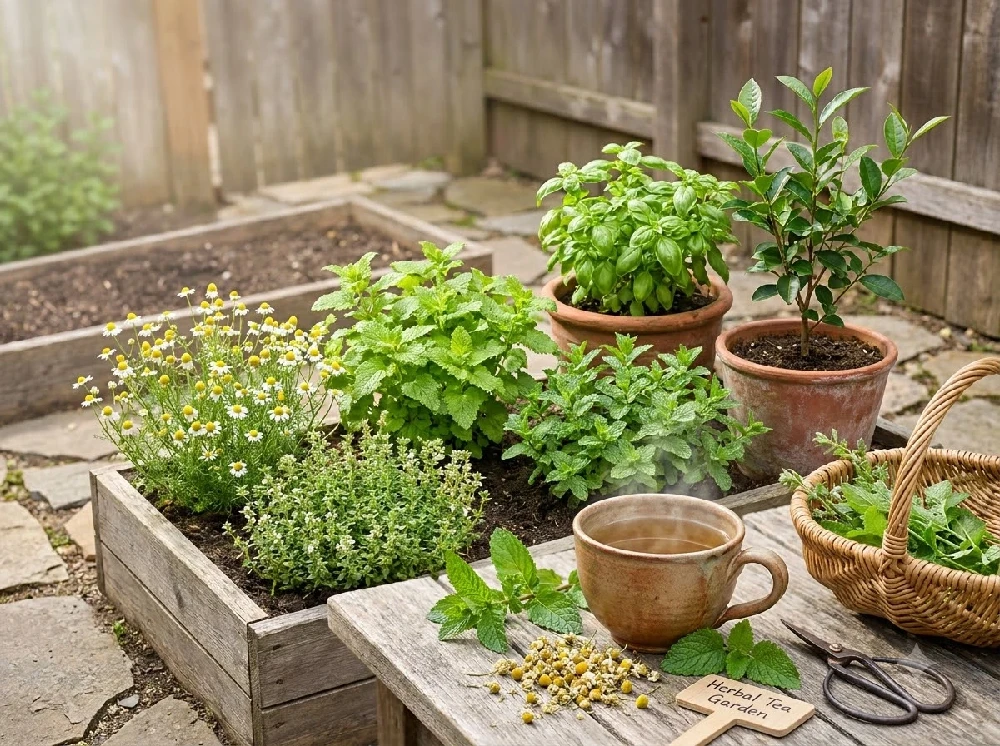
A backyard herb bed can supply fresh ingredients for a cup of tea within a single growing season. Choosing the right herbs to grow for herbal tea means picking plants that are easy to start from seed, forgiving for beginners, and genuinely useful once harvested. This guide covers five garden-friendly options: chamomile, lemon balm, spearmint, lemon basil, and the true tea plant, Tea Leaf Tree -along with practical advice on harvesting, drying, and brewing. Gardeners who want a productive, low-maintenance corner of the yard dedicated to homemade infusions will find enough detail here to plan, plant, and start steeping.
Why Grow Your Own Herbs for Tea?
Growing tea herbs at home puts fresh leaves and flowers within reach the moment they're ready to harvest. That timing matters. Herbs cut at their peak and dried quickly tend to hold more of their natural aroma than herbs that have sat in a store bin for months.
A home herb garden also gives gardeners control over growing conditions. Soil quality, watering schedule, and sun exposure can all be adjusted to suit each plant, and no pesticides or synthetic fertilizers need to be part of the process unless the gardener chooses them.
There's a convenience factor too. A few pots on a sunny windowsill or a small raised bed can supply enough leaves and flowers for regular tea-making without a trip to the store. Learning when to harvest, how to dry herbs properly, and which plants pair well together turns a basic herb patch into a small but productive herbal tea garden.
1. Chamomile
Featured variety: Bodegold chamomile seeds
Chamomile is one of the most recognizable herbs for homemade tea, prized for its small daisy-like flowers and mild, apple-like scent. The flower heads are the part used for tea, picked just after they open fully.
This annual grows best in full sun to light shade, in well-drained soil that isn't allowed to stay soggy. It tolerates average garden soil without heavy feeding and prefers consistent but moderate watering enough to keep the root zone from drying out completely, without waterlogging the bed.
Flowers are ready to harvest when the white petals have opened and started to reflex slightly downward, usually a few weeks after the plant begins blooming. Regular picking encourages the plant to keep producing more flowers through the season.
Fresh chamomile flowers can be steeped right after picking, but most gardeners dry a portion of the harvest for year-round use. Spread the flower heads in a single layer somewhere warm, dry, and out of direct sun until they feel papery and crumble easily.
To prepare a simple cup, add a small handful of dried flowers to hot water, cover, and let the infusion steep for several minutes before straining.
Beginner tip: Harvest chamomile flowers in the morning after the dew has dried, since this is typically when their aromatic oils are most concentrated.
2. Lemon Balm
Featured variety: Quedlinburger Niederliegende lemon balm seeds
Lemon balm is a member of the mint family known for its bright, citrusy scent, which comes through clearly whether the leaves are used fresh or dried. That lemon-like aroma is the main reason it shows up so often in herbal tea gardens.
This perennial herb grows well in full sun to partial shade and adapts to a range of soil types as long as drainage is decent. It also does well in containers, which helps limit its spreading habit a useful consideration since lemon balm, like many mint relatives, can expand vigorously in open garden beds.
Leaves can be harvested throughout the growing season, with the most fragrant leaves typically coming from young, actively growing stems. Snipping stems back regularly encourages fuller, bushier growth.
Fresh lemon balm leaves make a lighter, more delicate infusion, while dried leaves offer a more concentrated flavor. To dry the harvest, hang small bundles of stems upside down in a warm, airy space away from direct sunlight until the leaves are brittle.
For tea, steep a small handful of fresh leaves or a spoonful of dried leaves in hot water for several minutes, then strain before drinking.
Beginner tip: Grow lemon balm in a container if garden space is limited, since this keeps the plant's spreading roots contained while still producing plenty of harvestable leaves.
3. Spearmint
Featured variety: Spearmint seeds
Spearmint brings a cool, sweet flavor that's milder than peppermint, making it a popular choice for both hot and iced herbal infusions. Its refreshing character also blends easily with other tea herbs without overpowering them.
This perennial thrives in full sun to partial shade and prefers consistently moist, well-drained soil. Spearmint is a vigorous grower and spreads by underground runners, so most gardeners grow it in containers or use barriers in the ground to keep it from taking over neighboring plants.
Leaves can be harvested any time after the plant is established, with the best flavor typically coming from leaves picked just before the plant flowers. Regular harvesting keeps the plant compact and encourages fresh new growth.
Spearmint can be used fresh, torn or lightly crushed to release its aroma before steeping, or dried for later use. To dry it, hang cut stems in a warm, shaded, well-ventilated spot until the leaves crumble easily, then store them whole and crumble just before brewing to preserve flavor.
Spearmint pairs well with chamomile, lemon balm, and lemon basil, making it a flexible base for herbal tea blends.
Beginner tip: Plant spearmint in its own container rather than directly in a shared garden bed, since its spreading roots can quickly crowd out slower-growing herbs nearby.
4. Lemon Basil
Featured variety: Lemon basil seeds
Lemon basil is a basil variety with a noticeably citrus-forward aroma, distinct from the more peppery, anise-like scent of traditional sweet basil. In cooking, it's often used where a lighter, brighter flavor is preferred, and that same quality makes it interesting in herbal infusions.
Like other basil types, lemon basil is a warm-season annual that needs full sun and consistently warm temperatures to thrive. It grows well in fertile, well-drained soil and benefits from regular watering, particularly during hot weather.
Leaves are ready to harvest once the plant has developed several sets of true leaves, and regular pinching of the growing tips encourages a bushier plant with more leaves to harvest over time. Harvesting before the plant flowers generally preserves the best flavor.
Fresh lemon basil leaves can be steeped directly in hot water for a light, citrus-scented infusion. For drying, spread leaves in a single layer in a warm, airy space out of direct sunlight, and store them once they're fully dry and crumble easily.
Lemon basil combines well with spearmint for a bright, cooling blend, or with lemon balm for a more layered citrus profile.
Beginner tip: Pinch back young lemon basil plants early to encourage branching, which increases the total number of leaves available for tea over the season.
5. Tea Leaf Tree
Featured variety: Tea leaf tree
The Tea Leaf Tree is Camellia sinensis, the plant traditionally used to produce true tea including green, black, oolong, and white tea. This sets it apart from the other four plants in this guide, which are herbs used for herbal infusions rather than tea in the traditional botanical sense. Chamomile, lemon balm, spearmint, and lemon basil produce what's technically called a tisane, while Camellia sinensis is the source of true tea leaves.
This is a small evergreen shrub or tree, generally reaching a modest height in cultivation, with glossy, dark green leaves. It's a perennial plant suited to warm climates or protected growing conditions, and it can be grown in containers, which allows gardeners in cooler regions to bring it indoors when temperatures drop.
Camellia sinensis prefers full sun to partial shade, along with acidic, well-drained soil and consistent moisture. It's slower to establish than annual herbs, and it typically takes a few years of growth before leaves are ready for regular harvesting.
Traditionally, young leaves and leaf buds are harvested and processed through steps like withering, rolling, oxidizing, and drying to produce the different types of true tea. This processing is more involved than simply air-drying leaves and flowers, which is the typical approach for herbs like chamomile or lemon balm.
Because Camellia sinensis requires more patience, warmth, and processing than the other herbs featured here, it suits gardeners who want to grow the plant behind true tea as a longer-term project, distinct from the quicker-to-harvest herbal tea garden built around chamomile, lemon balm, spearmint, and lemon basil.
Herb Comparison at a Glance
| Herb | Main Plant Part Used | Flavor Profile | Growing Difficulty | Fresh or Dried? |
Container Friendly?
|
| Chamomile | Flowers | Mild, apple-like | Easy | Both | Yes |
| Lemon Balm | Leaves | Bright, lemony | Easy | Both | Yes |
| Spearmint | Leaves | Cool, sweet mint | Easy (vigorous spreader) | Both | Yes |
| Lemon Basil | Leaves | Citrusy, herbaceous | Moderate (needs warmth) | Both | Yes |
| Tea Leaf Tree | Young leaves and buds | Grassy to malty, depending on processing | Moderate to challenging (slow-establishing) | Requires processing, not simple drying | Yes |
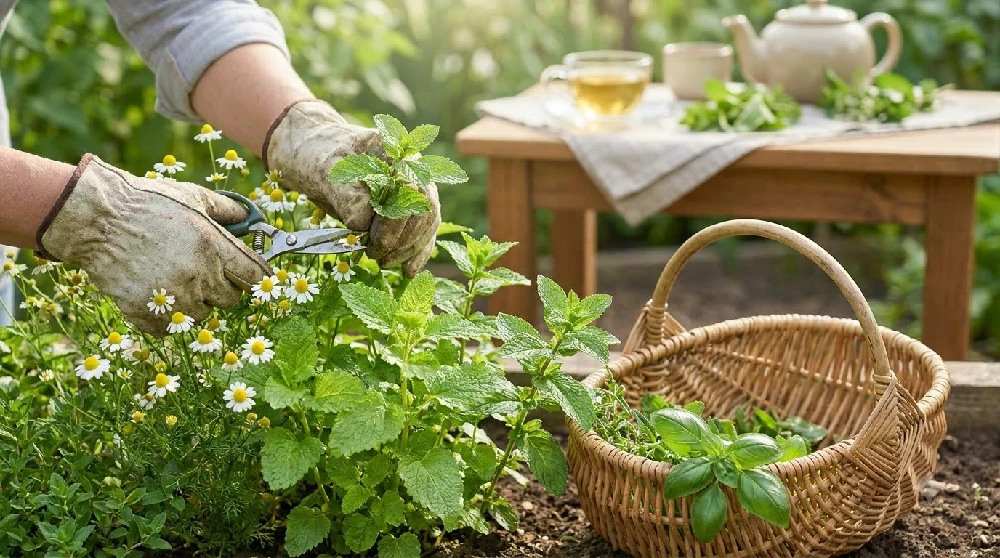
How to Make Herbal Tea From Fresh Garden Herbs
Turning garden herbs into a cup of tea is a simple process, though the exact quantities and steeping time will vary depending on the herb and personal taste.
- Harvest clean, healthy plant material, choosing leaves or flowers without pest damage or discoloration.
- Rinse gently if the plant material looks dusty or has been rained on recently, then pat dry.
- Decide whether to use the herb fresh or dried fresh herbs offer a lighter flavor, while dried herbs are more concentrated.
- Add an appropriate amount of herb to a cup or teapot, then pour hot water over it.
- Cover and let the infusion steep, checking the flavor periodically rather than following one fixed time for every herb.
- Strain out the plant material and serve.
Delicate flowers like chamomile often need a shorter steep than tougher leaves, and dried herbs generally require less volume than fresh herbs to reach a similar strength. Adjusting steep time and quantity to taste is part of learning how to make herbal tea from fresh garden herbs consistently.
Fresh Herbs vs. Dried Herbs for Tea
Fresh and dried herbs each bring something different to a cup of tea, and most home gardeners end up using both depending on the season.
Flavor: Fresh herbs tend to produce a lighter, more delicate cup, while drying concentrates the plant's natural oils and can produce a stronger, more robust flavor.
Storage: Fresh herbs need to be used relatively quickly or refrigerated for short-term storage, while properly dried herbs can be stored at room temperature in a sealed container for a longer period.
Convenience: Fresh herbs are only available while the plant is actively growing, so drying extends the harvest season into a supply that can be used through fall and winter.
Volume: Because drying removes water content, dried herbs are more concentrated by volume than fresh herbs, so smaller amounts are typically needed per cup.
Shelf life: Dried herbs generally stay flavorful for a period of months when stored properly, though exact shelf life depends on the herb, drying method, and storage conditions, so it's reasonable to taste-test older dried herbs before relying on them for a full batch of tea.
How to Dry Herbs for Homemade Tea
Drying extends the usefulness of a home herb harvest well beyond the growing season. The process is straightforward, but a few details make a noticeable difference in quality.
Start by harvesting herbs at the appropriate stage flowers like chamomile once they've opened, leafy herbs like lemon balm and spearmint before they flower, when their essential oils are most concentrated. Remove any damaged, yellowed, or pest-affected material before drying, since these details concentrate rather than disappear once dried.
Give the herbs a light cleaning if needed, and pat them dry so no surface moisture is left before drying begins. Air drying is the most practical method for home gardeners: spread flowers and small leaves in a single layer on a screen or paper towel, or bundle leafy stems and hang them upside down, in a warm, dry, well-ventilated space out of direct sunlight.
Avoid drying herbs in a humid location, since excess moisture during drying can lead to mold rather than a clean, crisp dried herb. Herbs are fully dry when leaves crumble easily and flowers feel papery rather than soft.
Once completely dry, store the herbs in airtight containers, away from heat, moisture, and direct sunlight, which all degrade flavor over time. Labeling each container with the herb name and harvest date makes it easier to use older batches first and track how long dried herbs have been in storage.
Easy Herbal Tea Combinations to Try
Combining herbs from the garden opens up a wider range of flavors than any single herb alone. These pairings use the herbs featured above and are meant as simple starting points.
Chamomile + Lemon Balm - A gentle, floral cup with a citrus lift from the lemon balm, balancing chamomile's soft apple-like sweetness.
Spearmint + Lemon Balm - A cooling, bright blend where the mint's freshness and the lemon balm's citrus notes complement each other well.
Lemon Basil + Spearmint - A herbaceous, citrus-mint combination with a slightly more complex flavor than either herb produces on its own.
Chamomile + Spearmint - A classic pairing that balances chamomile's mellow sweetness with a cool, refreshing mint finish.
Lemon Balm + Lemon Basil - A double dose of citrus character, with lemon balm's soft aroma layered against lemon basil's brighter, herbaceous edge.
Chamomile + Lemon Basil - A light, floral-citrus blend that works well as a milder alternative to straight chamomile tea.
Start with equal small amounts of each herb, then adjust the ratio in future batches based on which flavor should stand out.
Tips for Starting a Small Herbal Tea Garden
Building a small, well-planned tea garden tends to work out better than planting everything at once. A few practical habits make the whole process easier to manage.
- Start with two or three herbs rather than the entire list, and expand the garden once those plants are established and their care routine feels familiar.
- Check each plant's sunlight requirements before choosing a planting location, since full-sun herbs like lemon basil won't perform well in heavy shade.
- Use containers for spreading herbs like spearmint and lemon balm to keep them from crowding out neighboring plants.
- Label each plant clearly, especially when growing several herbs that look similar to seedlings.
- Harvest regularly once plants are established, but avoid stripping more than about a third of a plant's growth at one time so it can recover.
- Dry the herbs properly and promptly after harvest to preserve flavor and prevent mold.
- Keep simple records of planting dates and harvest dates, which helps with timing future plantings and tracking how long dried herbs have been stored.
- Choose herbs suited to the local climate and available space - a windowsill container garden calls for different choices than a full raised bed.
A Note on Safety
Before using any homegrown plant material for tea, correctly identify the plant and use only parts intended for culinary or tea use. Anyone with health concerns or questions about consuming herbal preparations should consult a qualified healthcare professional.
Conclusion
Building a small herbal tea garden doesn't require a large plot or advanced gardening skills. Chamomile, lemon balm, spearmint, and lemon basil are all approachable herbs to grow for herbal tea, each offering a distinct flavor that works well on its own or blended with the others. For gardeners interested in true tea, the Tea Leaf Tree offers a longer-term project with a different growing timeline. Starting with just a couple of herbs, learning how to harvest and dry them properly, and experimenting with simple combinations is enough to turn a garden bed or a few containers into a steady source of homemade tea. Explore the featured varieties from Reimer Seeds to get started this season.


