
Georgia tomatoes have a reputation to live up to. That first ripe slice on a June sandwich makes every hour of staking and watering feel worth it. But the same state that hands you a long, generous season also brings muggy afternoons, warm nights and leaf diseases that can leave plants tired and flowers dropping by midsummer. That's why the variety you choose matters as much as the bed you plant it in. This guide covers Georgia's growing conditions, planting timing and ten varieties from the Reimer Seeds collection, so you can find the best tomato seeds to grow in Georgia for your own garden, whether that's a raised bed in Gainesville or a big container on a patio in Valdosta.
What Makes Georgia a Unique Place to Grow Tomatoes?
Georgia isn't one climate. The mountain counties stay cooler and warm up later in spring, while the coastal plain in the south warms earlier and holds heat longer. Soils shift too. Piedmont gardens often deal with heavy red clay, and many South Georgia beds are sandier and drain fast.
What ties the state together is summer. Fruit sets can be disrupted when daytime highs climb past about 90°F, and when nights stay above 70°F many varieties struggle to set fruit. Add humidity and pop-up storms, and foliage diseases get a foothold. Rainfall also swings between dry spells and downpours, a common trigger for cracking and blossom-end rot.
That's why variety choice matters here. Tomatoes don't all handle heat, humidity and disease pressure the same way, so read each variety's traits before you buy.
When to Plant Tomatoes in Georgia
There's no single planting date for the whole state. UGA Extension builds its planting calendar around a middle Georgia belt running from Columbus through Macon to Augusta. From there, spring dates run roughly one to three weeks later as you move into the north Georgia mountains, and up to two to three weeks earlier in extreme south Georgia.
- North Georgia: Expect a later spring start and an earlier fall cutoff. Wait until frost danger has truly passed.
- Central Georgia: Use UGA's Home Garden Planting Chart (Bulletin 577) and Vegetable Garden Calendar (Circular 943) as your baseline.
- South Georgia: You can usually transplant sooner and plant a fall crop later, but heat arrives earlier too, so earlier-maturing varieties can help you harvest ahead of peak summer stress.
Start seeds indoors about six to eight weeks before your planned transplant date. Give seedlings strong light, then harden them off for about a week before they go outside. Transplant after the last frost, once the soil has warmed, and plant deeply: bury the stem up to the first set of true leaves, because tomatoes root along the buried stem.
Want a fall crop? Check the fall dates in the same UGA chart for your region, then count back from your average first frost. Confirm local frost dates with your county Extension office.
10 Best Tomato Seeds to Grow in Georgia
These ten come from the Reimer Seeds tomato collection. Where a product page lists heat or humidity tolerance, we say so. Where it doesn't, we don't claim it. None of the pages describe Georgia-specific trials, so treat these as well-matched options for Southern conditions, not guarantees. Always check current availability on each page.
1. Big Beef Tomato
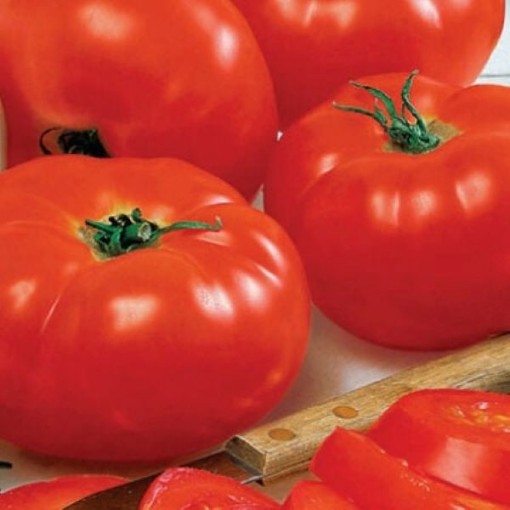
A classic slicer with a rich, old-fashioned flavor and juicy fruit. The page lists it as an F1 hybrid that matures in about 73 days, with heat tolerance, crack resistance and several disease-resistance codes (V, FF, N, A, St, LB, TMV). Crack resistance is handy when summer storms follow a dry spell.
Best uses: sandwiches, salads, slicing.
Buy Now: Big Beef Tomato Seeds
2. Dixie Red Tomato
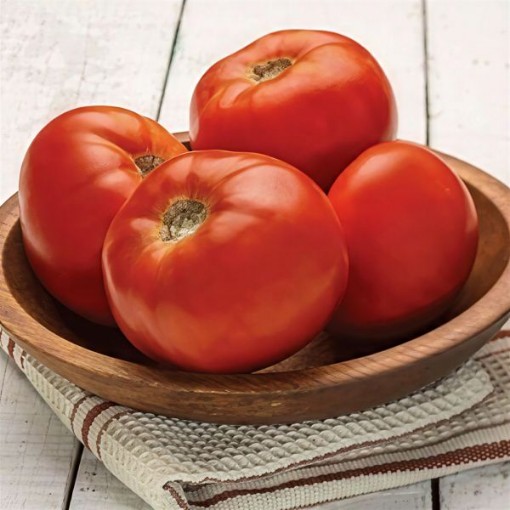
Dixie Red is listed as heat tolerant, and the page describes a plant that sets fruit even in hot conditions. It's also described as a good performer in hot, humid climates like the Southeast and suitable for commercial production there. Reimer recommends not pruning it. Expect roughly 85 days.
Best uses: sandwiches, salads, slicing, canning.
Buy Now: Dixie Red Tomato Seeds
3. Heat Queen Tomato

An F1, potato-leaf, determinate plant that matures in about 75 days and produces high yields of 8 oz deep-red fruit. It carries both heat-tolerant and high-humidity-tolerant labels, and the page lists resistance codes A, F, FF, N, St, ToMV and V. The N code (root-knot nematode) is worth noticing if your South Georgia soil is sandy. Determinate plants stay more compact, so cages work well.
Best uses: sandwiches, salads, slicing.
Buy Now: Heat Queen Tomato Seeds
4. Heatwave II Tomato
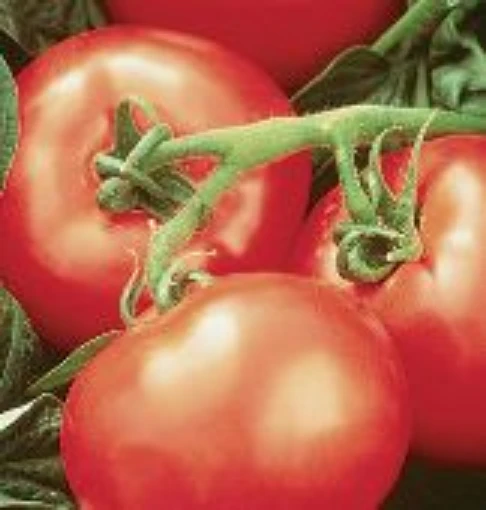
An early F1 hybrid, ready in about 68 days, producing good yields of 6 to 7 oz red fruit on determinate plants. The page marks it heat tolerant and suitable for Southern states. Its early maturity may help you pick fruit before the hottest stretch of summer.
Best uses: salads, sandwiches, eating fresh. (Stock can be limited, so check the page.)
Buy Now: Heatwave II Tomato Seeds
5. Tommy Toe Tomato
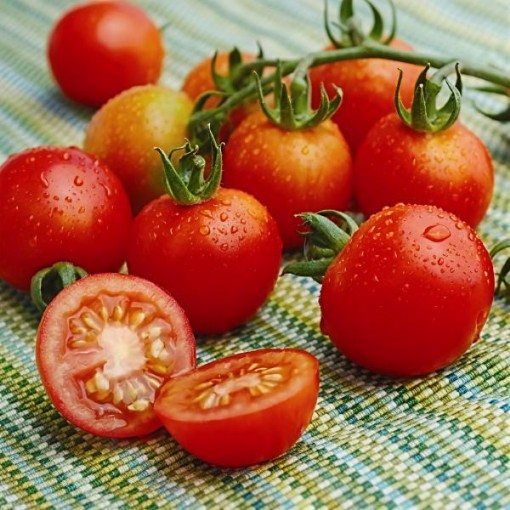
An open-pollinated, indeterminate cherry tomato that matures in about 70 days and produces heavy yields of bright, glossy red fruit, about half an ounce to three-quarters of an ounce each. The page lists it as heat tolerant and high-humidity tolerant, with an old-fashioned tomato flavor. A good choice if you want steady snacking tomatoes all summer.
Best uses: snacking, salads.
Buy Now: Tommy Toe Tomato Seeds
6. Sweet 100 Tomato
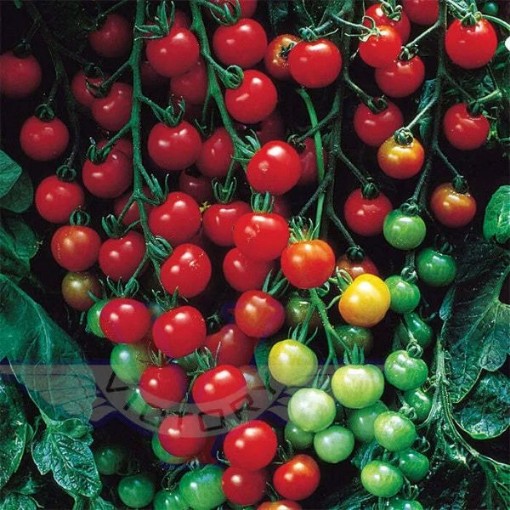
An early F1 cherry that matures in about 65 days and produces high yields of red, half-ounce to three-quarter-ounce fruit on indeterminate vines. The page lists it as suitable for all regions and a home garden favorite. It doesn't carry a heat-tolerance label, so mulch and consistent watering matter.
Best uses: snacking, salads.
Buy Now: Sweet 100 Tomato Seeds
7. Viva Italia Tomato
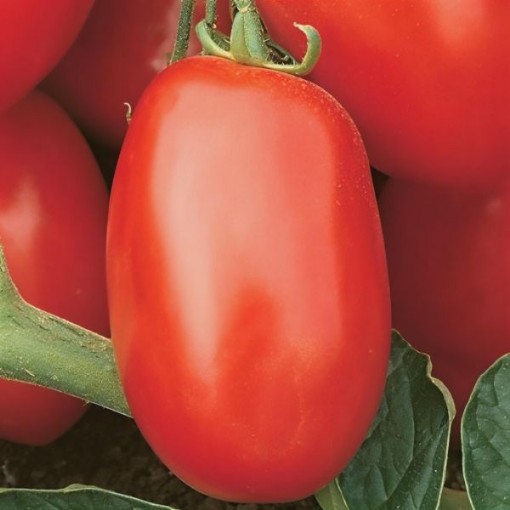
An F1, determinate Roma that matures in about 75 days and produces high yields of 3 to 4 oz deep-red fruit with thick, meaty walls. The page lists heat tolerance and describes it as a popular Roma for sauces, canning, pastes, salsas and fresh eating.
Best uses: sauce, paste, salsa, canning, fresh eating.
Buy Now: Viva Italia Tomato Seeds
8. Amish Paste Tomato
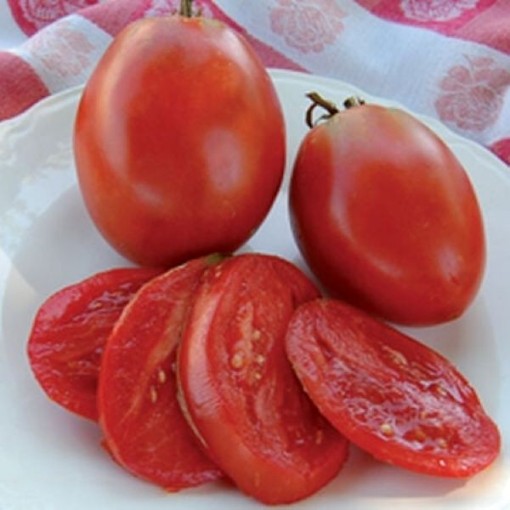
An open-pollinated heirloom paste tomato, about 85 days, producing high yields of 8 to 12 oz red plum-shaped fruit that the page calls sweet, juicy, meaty and full-flavored. Heat tolerance isn't listed, so plan on mulch, support and even moisture through July and August.
Best uses: sauce, paste, canning, and juicy enough for fresh eating.
Buy Now: Amish Paste Tomato Seeds
9. Arkansas Traveler Tomato
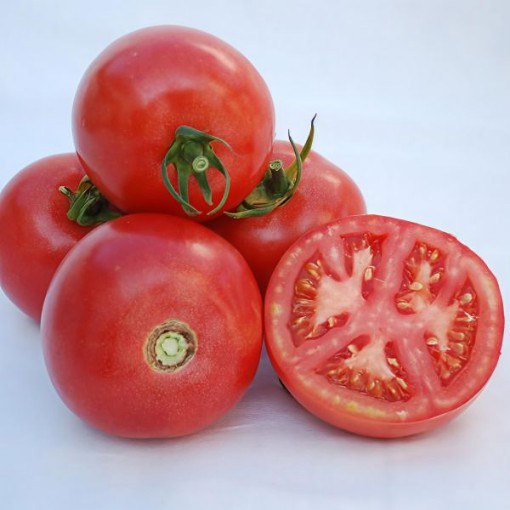
An open-pollinated heirloom, indeterminate, maturing in about 85 days with good yields of 6 to 8 oz deep pink tomatoes. The page carries heat-tolerant and high-humidity labels and calls it suitable for all regions. A solid pick if you want an heirloom that's labeled for Southern-style summers.
Best uses: slicing and sandwiches.
Buy Now: Arkansas Traveler Tomato Seeds
10. Marvel Stripe Tomato
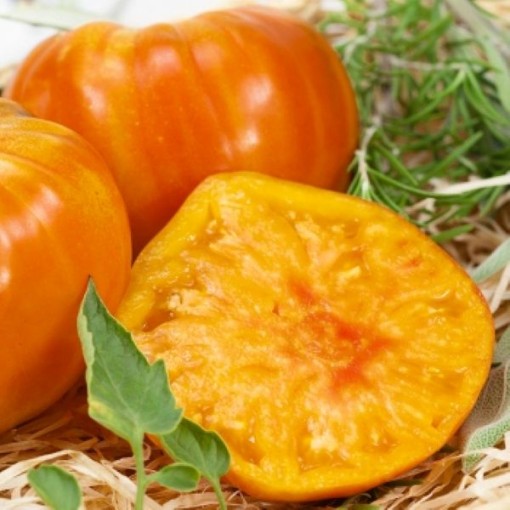
A large, open-pollinated, bi-colored heirloom that matures in about 85 days. The page lists it as both heat tolerant and drought tolerant, and Reimer describes it as a gardener favorite for its beauty, size and taste. Striped slices make a showy plate.
Best uses: salads, sandwiches.
Buy Now: Marvel Stripe Tomato Seeds
How to Grow Tomatoes Successfully in Georgia
Choosing the Right Location
Aim for at least six to eight hours of direct sun, with good airflow so leaves dry quickly after rain or dew. Give plants room, and avoid planting tomatoes where tomatoes, peppers, eggplant or potatoes grew last year.
Soil Preparation
Tomatoes want well-drained, fertile soil rich in organic matter. A soil test through your county Extension office takes the guesswork out of pH and nutrients. Work in compost to lighten clay or help sandy soil hold moisture. Raised beds drain well and warm up sooner in spring, though they also dry out faster in summer.
Watering
Aim for deep, steady watering, roughly an inch a week as a starting point, and more during extreme heat or in containers. Water at the base in the morning, and use drip or soaker hoses when you can. Consistent moisture beats feast-or-famine soaking, and soggy soil invites its own problems.
Mulching
After the soil warms, spread two to three inches of straw, pine straw or shredded leaves. Mulch slows evaporation, keeps soil cooler and reduces soil splash on lower leaves.
Plant Support
Install cages or stakes at planting time, not later. Compact determinate types such as Heat Queen, Heatwave II and Viva Italia do well in sturdy cages. Indeterminate types such as Tommy Toe, Sweet 100 and Arkansas Traveler need tall stakes or a trellis.
Fertilizing
Let your soil test guide you. Too much nitrogen builds leaves instead of fruit. Follow the label, and consider a light side-dressing once fruit starts to set.
Common Tomato Growing Challenges in Georgia
Problem: Flowers drop and fruit doesn't set.
Possible Cause: Daytime highs above about 90°F, warm nights, or irregular moisture.
Practical Solution: Mulch, water consistently, and consider afternoon shade cloth during heat waves. Choose heat-tolerant varieties next season.
Problem: Dark, sunken patches on the bottom of fruit (blossom-end rot).
Possible Cause: Uneven watering that limits calcium uptake, especially in containers.
Practical Solution: Keep moisture steady, mulch, and test your soil before adding amendments.
Problem: Spotted, yellowing lower leaves.
Possible Cause: Fungal diseases such as early blight or septoria, encouraged by humidity and splashing water.
Practical Solution: Water at the base, space for airflow, remove affected lower leaves, rotate beds yearly, and ask your county Extension office about options.
Problem: Chewed leaves or damaged fruit.
Possible Cause: Hornworms, stink bugs or other pests.
Practical Solution: Check plants regularly, hand-pick hornworms, and get a pest identified before treating.
Problem: Cracked fruit.
Possible Cause: Heavy rain after a dry spell.
Practical Solution: Mulch, keep watering even, and pick fruit at first blush rather than waiting for a downpour.
Tips for Getting the Best Tomato Harvest in Georgia
- Match varieties to your timing. Early types like Heatwave II and Sweet 100 can beat the worst heat.
- Start seeds early enough for sturdy transplants, but don't rush them outdoors.
- Wait for frost danger to pass and soil to warm before transplanting.
- Keep soil moisture steady, especially in raised beds and containers.
- Mulch every bed once the ground has warmed.
- Support plants early so you don't damage roots later.
- Scout every few days for pests, spots and wilting.
- Harvest tomatoes when fully ripe on the vine for best quality, or at the mature green stage if you plan to ripen them indoors.
Where to Buy Tomato Seeds for Your Georgia Garden
Reimer Seeds lists a wide range of tomato varieties, and you can browse them all in the Tomato Seeds collection. Filter by what matters to you: flavor, fruit type, garden space, culinary use or growing preferences. The site also has category pages for heat-tolerant tomatoes, high-humidity-tolerant tomatoes, cherry tomatoes, paste tomatoes and heirloom tomatoes, which can help you narrow your list.
Conclusion
Choosing tomatoes in Georgia is about matching the plant to the place and the season. Heat, humidity and uneven rainfall can push plants hard, so timing your planting by region, keeping moisture steady and mulching well all pay off. From there, pick varieties that fit your garden: a heat-labeled slicer for sandwiches, a prolific cherry for snacking, a paste tomato for sauce, or a showy heirloom for the table. If you're ready to find the best tomato seeds to grow in Georgia for your yard, browse the Reimer Seeds Tomato Seeds collection and compare varieties side by side.
Frequently Asked Questions
1. What are the best tomatoes to grow in Georgia?
There isn't one winner. Look for varieties labeled heat tolerant or suited to humid climates, such as Heat Queen, Dixie Red or Arkansas Traveler, and add a cherry like Tommy Toe. UGA Extension also publishes a suggested variety list in Georgia Homegrown Tomatoes (Bulletin 1271).
2. When should I plant tomatoes in Georgia?
After your last spring frost, once soil has warmed. Dates vary by region: later in North Georgia, earlier in South Georgia. Use UGA's planting chart and your county Extension office.
3. Can tomatoes grow during Georgia summers?
Yes, but peak heat can pause fruit set. Mulch, steady water and heat-tolerant varieties help, and many gardeners plan a fall crop too.
4. What tomatoes grow best in hot weather?
Varieties labeled heat tolerant, such as Heatwave II, Heat Queen and Dixie Red, are good places to start. Care still matters.
5. How often should I water tomatoes in Georgia?
As a starting point, about an inch of water a week from rain and irrigation. Containers and heat waves may need much more. Check the soil with your finger instead of following a fixed schedule.
6. Can I grow tomatoes in containers in Georgia?
Yes. Use a large pot with drainage: at least five gallons for compact types and more for indeterminate vines. Containers dry out quickly, so check them daily in summer.
7. Why do tomato flowers drop in Georgia?
Usually heat. Days above about 90°F and warm nights can stop fruit set. Irregular watering and stress can contribute.
8. How can I protect tomatoes from Georgia's summer heat?
Mulch deeply, water at the base in the morning, and add afternoon shade cloth during heat waves. Choose heat-tolerant varieties for the next season.


